On this page
Navigating the world of zip codes in Dallas, Texas, can be a complex task. Whether you’re moving to the area, setting up a business, or just curious about the different regions, understanding Dallas zip codes is essential. This guide will walk you through everything you need to know about Dallas postal codes, from the bustling downtown area to the broader Dallas-Fort Worth Metroplex.
Summary
This guide explains how Dallas zip codes (mostly starting with 75) organize the city’s neighborhoods—highlighting key codes for Downtown, North, South, East, and West Dallas—and extends to notable areas across the DFW Metroplex. It shows how zip codes impact real estate, school boundaries, healthcare access, and local services. The guide also points to USPS tools and interactive maps to help you locate boundaries and plan moves or business strategies.
What Are Zip Codes and Why Do They Matter?
Zip codes are a series of numbers that help identify specific geographic regions within a city or area. They are crucial for mail delivery, identifying locations, and even determining sales tax rates. In Dallas, Texas, zip codes also help differentiate various neighborhoods and districts, each with its unique character and offerings.
The Structure of Dallas Zip Codes
Dallas zip codes typically start with the digits ’75’. This prefix is a part of the broader Texas postal system. The remaining numbers in the zip code help pinpoint specific areas, ensuring mail and packages reach the correct destination efficiently.
Exploring Dallas Zip Codes
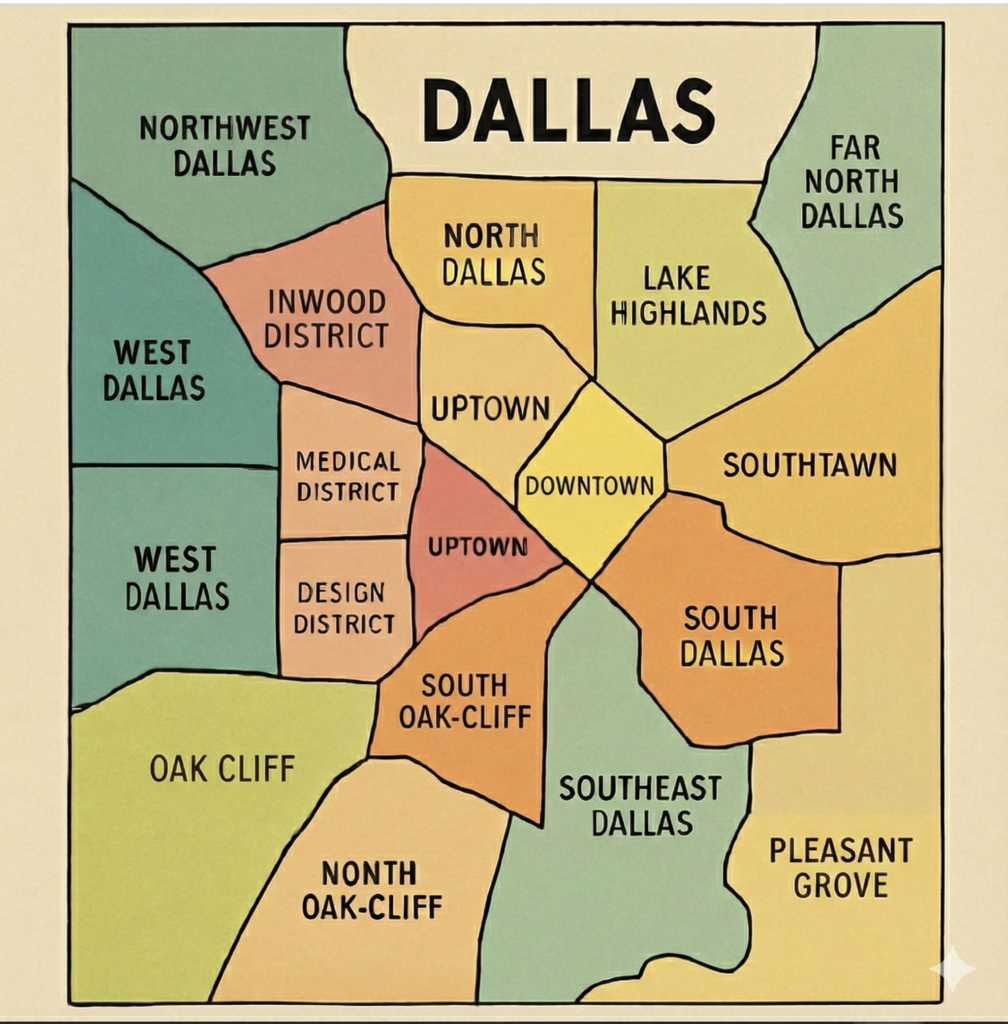
Downtown Dallas Zip Codes
Downtown Dallas is the heart of the city, bustling with businesses, cultural venues, and historic landmarks. The primary zip code for downtown Dallas is 75201. This area includes significant attractions like the Dallas Arts District, the West End Historic District, and the Main Street District.
Another important downtown zip code is 75202, covering parts of the Convention Center District and the Reunion District. These areas are known for hosting major events and conferences, making them vibrant and lively parts of the city.
North Dallas Zip Codes
North Dallas is a desirable area known for its upscale neighborhoods, shopping centers, and excellent schools. The zip codes here include 75230, 75240, and 75254, among others. These areas are popular among families and professionals seeking a suburban feel with easy access to city amenities.
South Dallas Zip Codes
South Dallas is rich in history and culture, with neighborhoods that offer a more laid-back lifestyle. Zip codes like 75216 and 75210 are part of this region. South Dallas is known for its cultural landmarks, such as Fair Park, which hosts the annual State Fair of Texas.
East Dallas Zip Codes
East Dallas is a diverse and eclectic area, home to neighborhoods like Lakewood and Lower Greenville. The zip codes here, including 75214 and 75206, offer a mix of historic homes and trendy dining spots. White Rock Lake, a popular destination for outdoor activities, is also located in East Dallas.
West Dallas Zip Codes
West Dallas is experiencing rapid growth and development, with new residential and commercial projects transforming the area. Zip codes such as 75212 and 75208 are part of this district. The nearby Trinity Groves area is a hotspot for foodies and entrepreneurs, with its collection of unique restaurants and shops.
The Dallas-Fort Worth Metroplex
The Dallas-Fort Worth Metroplex, often referred to as DFW, is a sprawling metropolitan area encompassing multiple cities and towns beyond Dallas itself. This region includes a vast array of zip codes, reflecting its diverse communities and landscapes.
Key DFW Zip Codes
- 76051 (Grapevine): Known for its charming historic downtown and proximity to DFW International Airport.
- 75001 (Addison): A bustling suburb with a lively dining and nightlife scene.
- 76109 (Fort Worth): Home to the Fort Worth Zoo and the Cultural District.
Using Zip Codes for Services and Amenities
Understanding Dallas and DFW zip codes can help you access services and amenities more efficiently. Whether you’re searching for a new home, selecting a school, or finding a healthcare provider, knowing the right zip code can streamline your search.
Real Estate and Housing
Zip codes are a vital part of the real estate market. They help buyers and renters understand property values, school districts, and neighborhood features. For instance, homes in the 75205 zip code, which covers Highland Park, are known for their luxury and high property values.
Education and Schools
Schools often use zip codes to determine enrollment boundaries. Families looking to move to Dallas can use zip codes to identify schools within their desired area. Websites like GreatSchools offer ratings and reviews based on zip code locations.
Healthcare and Services
Healthcare providers and services are often organized by zip code, ensuring residents have access to nearby facilities. Knowing your zip code can help you find doctors, clinics, and hospitals in your area.
Zip Code Maps and Tools
Several online tools and maps are available to help you navigate Dallas and DFW zip codes. The United States Postal Service (USPS) website offers a zip code lookup tool, and platforms like Google Maps provide detailed views of zip code boundaries.
Interactive Maps
Interactive maps allow users to explore zip code areas visually. These tools are particularly useful for newcomers trying to get a sense of the city’s layout and for businesses planning marketing strategies based on geographic locations.
Conclusion
Understanding Dallas zip codes is more than just knowing a series of numbers. It’s about gaining insight into the diverse neighborhoods and districts that make up this vibrant city. Whether you’re a resident, a business owner, or a visitor, knowing the zip codes in Dallas and the broader DFW Metroplex can enhance your experience and help you navigate the area with ease.
Explore the city, discover its unique areas, and see how zip codes can guide you through the complex yet fascinating landscape of Dallas, Texas.