On this page
- Cost of Living in Dallas TX Compared to the National Average
- Housing Costs in Dallas, Rent, Home Prices, and Taxes
- Daily Living Expenses, Utilities, Food, and Transportation
- Quality of Life in Dallas and What You Get for the Cost
- How Much Does It Cost to Live in Dallas for Different Lifestyles
- Conclusion
- Frequently Asked Questions

Dallas has emerged as one of the fastest-growing cities in the United States, attracting new residents with a strong job market, vibrant culture, and relatively affordable living compared to many other large metro areas.
According to cost of living calculators and local data, the cost of living in Dallas TX is close to the national average, with housing, utilities, transportation, and everyday expenses varying depending on lifestyle and location within the city.
Living in Dallas looks very different depending on whether you are renting or buying, and whether you live near downtown or in a suburb, so this guide breaks costs down into real categories people care about most.
In this article, we’ll dive into…
This article is for anyone considering a move to Dallas, thinking about living expenses here, or trying to make sense of your own Dallas budget.
Cost of Living in Dallas TX Compared to the National Average
One of the first questions people have about moving to Dallas is how the city’s expenses stack up against the rest of the United States. According to RentCafe cost of living data, Dallas’s overall cost of living is roughly on par with the national average. In fact, Dallas clocks in at about the same level as the U.S. average when you combine housing, food, transportation, healthcare, and other typical costs.
Here are key comparisons to help you understand what “on par” really means:
Overall Cost Index
- Dallas cost of living vs national average: approximately 0–3 percent higher or lower depending on the source, most official calculators show Dallas right around the U.S. baseline.
Category Breakdown Highlights
- Housing: Dallas housing costs are generally similar to or lower than the national average, with rent and home prices often coming in below big coastal markets.
- Utilities: Utility costs in Dallas, including electricity and water, tend to be higher than the U.S. average, sometimes by double-digit percentages in local surveys.
- Transportation: Dallas transportation costs, including gas and local commuting, are often lower than the national average.
How Index Scores Work
Cost-of-living indexes use 100 as the U.S. average baseline, meaning Dallas’s index around 99–103 places it very close to what most Americans pay for daily living.
In plain terms, living in Dallas does not typically cost significantly more or less than the national average when all expenses are weighed together. Some categories are cheaper, others cost more, and your lifestyle ultimately shapes your budget.
Housing Costs in Dallas, Rent, Home Prices, and Taxes
Housing is usually the largest line item in anyone’s budget, whether you rent or own, and how Dallas compares to other U.S. cities in this category often shapes how affordable living here feels.
Rent Costs in Dallas
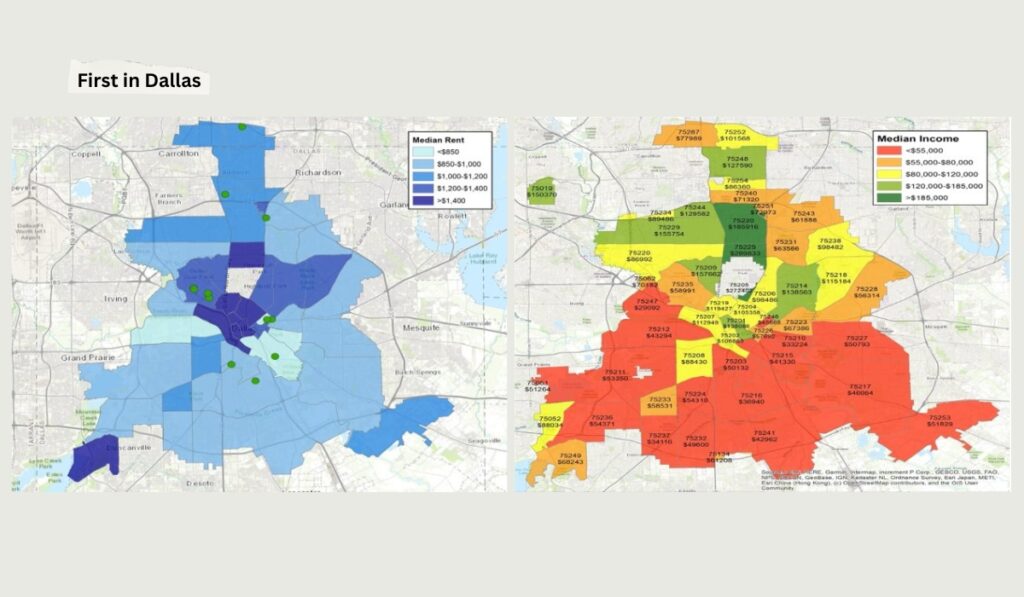
- As of early 2026, the median rent for all property types in Dallas is about $1,975 per month, which is around 3 percent lower than the national median rent.
- Typical rents by bedroom count roughly hover around:
- Studio or 1-bedroom: ~$1,380–$1,540 per month
- 2-bedroom: ~$1,895–$2,039 per month depending on source and neighborhood clustering.
- Rents vary significantly between Downtown Dallas and outer suburbs, so location and building amenities matter a lot for pricing.
| Bedroom Size | Dallas, TX (Avg) | National Average (Approx) |
| 1-Bedroom | $1,394 | $1,553 |
| 2-Bedroom | $1,850 | $1,950+ |
| 3-Bedroom | $2,373 | $2,161 |
Buying a Home in Dallas
- Dallas’s median home prices fluctuate depending on the data source and how “home” is defined (townhomes, single-family, condos), but recent figures show around $375,000–$400,000 as a typical price point.
- Some market reports place the median sales price slightly higher (closer to ~$430,000), reflecting ongoing demand and neighborhood variation.
- This is generally more affordable than many coastal metros where median prices exceed $1 million, but still represents a meaningful expense for Dallas residents.
Property Taxes and Ownership Costs
Texas does not have a state income tax, which can benefit wallets. However, property taxes-especially in Dallas County-are above the national average.
- Effective property tax rates for Dallas homes typically sit around 1.7 percent to nearly 2 percent of assessed value.
- On a home worth $375,000, this translates to about $4,500–$5,000 annually in property taxes for many homeowners, depending on exemptions or school district levies.
These tax obligations fund local services like schools and infrastructure but mean buyers should plan for significant annual costs on top of mortgage and insurance.
Buy vs Rent Reality for Residents
- Reports show median monthly ownership costs for Dallas homeowners (mortgage plus taxes) can exceed typical rental costs by hundreds of dollars. One study noted median homeowners paying about $2,381 per month vs renters near $1,512 monthly.
- This difference reinforces why renting remains attractive for many residents, particularly those who are early in their careers or prefer flexibility.
By breaking down housing costs into rent, purchase prices, and taxes, you get a clearer picture of what living in Dallas actually costs and why people make different housing choices based on income and lifestyle.
Daily Living Expenses, Utilities, Food, and Transportation
When planning a Dallas budget, housing isn’t the only monthly cost you need to think about. Everyday living expenses like utilities, groceries, and getting around also add up. Below are realistic figures based on cost of living data from multiple reliable sources.
Utilities and Monthly Bills
In Dallas, utilities tend to run slightly higher than the national average, especially energy costs. That is largely because of seasonal climate extremes, including hot summers with heavy air conditioning use.
Typical utility costs in Dallas (combined for a standard apartment):
- Energy and electricity: ~$225–$257 per month
- Phone bill: ~$204 per month
- Internet and additional utilities: Often add $60–$80 per month
These figures mean basic utilities in Dallas can be about 10–15 percent above the U.S. average, depending on your usage and provider.
Include an image here (optional):
- A monthly utilities comparison chart (Dallas vs U.S. average) helps readers immediately visualize cost differences.
- Use alt text like “Dallas utilities monthly bills comparison.”
Food and Grocery Costs
Food and groceries in Dallas are competitive with national averages, and in some categories slightly cheaper:
- Grocery basics like milk, eggs, and bananas tend to run close to or slightly below U.S. national prices.
- For example, everyday items such as bread and steak in Dallas may cost similarly or less than the national average.
That said, Dallas restaurant prices and dining out experiences can vary widely based on the neighborhood and type of venue chosen. Local news reports also note grocery price increases in the region, though slightly lower than some national trends.
Transportation at a Glance
Dallas residents generally pay less for transportation than the national average, especially if driving:
- Gas prices in the Dallas area are often below the national average per gallon, which helps daily commuting costs.
- Basic maintenance like tire balancing can also run lower locally.
Plus, Dallas offers public transit options through Dallas Area Rapid Transit (DART), which includes buses and light rail lines to help cut commuting costs if you choose not to drive.
Local Notes on Costs
- Dallas utilities can feel higher in the summer due to air conditioning demand, so plan accordingly if you’re budgeting seasonally.
- Transportation costs might swing significantly if you live closer to downtown versus a far suburb, traffic and tolls impact regular commuting costs.
Quality of Life in Dallas and What You Get for the Cost
Understanding quality of life in Dallas means looking beyond dollars and cents to what residents actually experience day-to-day, from climate and amenities to jobs and community vibrancy.
Overall Quality of Life Index
Dallas scores very well on broad quality-of-life measures used by global cost of living databases. For example, Dallas’s Quality of Life Index ranks very high, indicating that locals enjoy strong purchasing power, good healthcare access, and a favorable climate compared with many U.S. cities.
- Quality of Life Index: 180–193 (Very High)
- Healthcare Index: 66 (High)
- Climate Index: 81 (Very High)
- Purchasing Power Index: 149–173 (Very High)
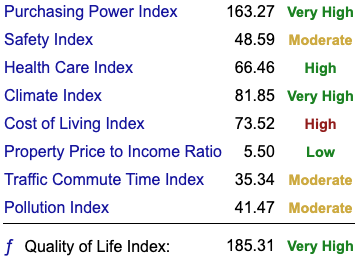
These combined scores suggest that many residents find Dallas comfortable and supportive of daily life when balancing earnings against costs.
Employment, Income, and Economic Opportunity
Dallas has a diverse and thriving job market, driven by sectors like technology, healthcare, finance, logistics, and corporate headquarters.
- This translates into steady employment trends and opportunities across skill levels.
- Median income levels in Dallas metro are competitive, helping offset expenses like housing and daily costs when compared with national benchmarks.
Strong employment diversity and economic growth help make daily living more predictable, even when specific expenses (like housing or utilities) fluctuate.
Culture, Recreation, and Everyday Life
Dallas offers plenty of cultural and lifestyle amenities that add up to a strong quality of life for many residents:
- Arts and culture are plentiful, including museums, galleries, music venues, and performance spaces.
- Parks and outdoor spaces support family activities and recreation.
- Dining and nightlife across diverse neighborhoods mean there is something for most tastes and budgets.

Trade-Offs to Consider
No city is perfect, and Dallas does have challenges that can affect quality of life for some residents:
- Traffic and commute time can be a concern if you live far from work, especially without easy transit.
- Perception of safety and satisfaction among residents varies, and some surveys show mixed feelings about overall city satisfaction.
- Climate is a pro if you like warm weather, but Texas summers are very hot and humid.
How Much Does It Cost to Live in Dallas for Different Lifestyles
Your monthly cost of living in Dallas varies widely depending on who you are, your household size, and your lifestyle choices. Below are realistic ranges based on data from cost calculators and local living-cost surveys.
Single Person (Basic Budget)
A single adult living in Dallas with modest entertainment and typical household bills can expect:
- Total monthly cost (including rent): about $2,200 – $3,500 for most people, depending on housing choice, commute, and food/entertainment habits.
- Without rent: a single person’s basics like food, utilities, transport, and incidentals may run around $1,200 – $1,400 per month.
- Numbeo reports: average $1,274 per month excluding rent for a single person’s essential costs in Dallas.
Who this suits:
- Early career professionals
- Young adults sharing expenses or renting a small apartment
- People using public transit or living with roommates
Optional image idea:
- A monthly single budget breakdown chart (rent, utilities, food, transport, leisure) helps readers estimate their own Dallas costs.
Couple or Small Household
For two adults sharing a household but without children:
- Many cost calculators show a combined monthly living cost around $4,200 – $4,700 including shared rent and other major bills.
- Allocating roughly 30 % of income to housing is a common rule of thumb for a comfortable budget here.
Who this suits:
- Couples sharing rent and bills
- Dual-income partners planning long-term living arrangements
- People wanting more living space than a single renter
Family of Four
Larger households come with higher totals but still can be affordable compared with many large U.S. cities:
- A family of four may spend roughly $4,600 + per month on basics (excluding housing).
- When rent or mortgage is added, the total household budget can vary a lot based on neighborhood and housing size.
Who this suits:
- Families with children
- Households needing 3+ bedrooms
- Those balancing childcare, groceries, and transportation costs
What Salary Helps You Live Comfortably
While expenses are just one side of the equation, income needed to meet them matters too:
- Some studies show a single adult may need around $70,000 – $75,000 per year before taxes to live comfortably in Dallas, covering housing and daily costs.
- Other reports indicate a comfortable lifestyle in the wider Dallas-Fort Worth area may require $100,000 + pre-tax annual income for a single adult, especially if savings, discretionary spending, and emergencies are included.
Conclusion
When you put all the numbers together, the cost of living in Dallas TX sits very close to the national average, with some categories running lower and others higher. Dallas housing tends to be more affordable than many large U.S. cities, but utilities and everyday services can cost more than the U.S. baseline.
Dallas remains appealing because of its strong job market, diverse economy, and wide range of housing options, factors that help residents balance cost and quality of life even as expenses rise.
Whether you are a single professional, a couple, or a family, understanding your personal budget and lifestyle preferences will help you make informed decisions about living expenses in Dallas.
Frequently Asked Questions
How much does it cost to live in Dallas per month?
Dallas’s cost of living varies by household, but many cost calculators show average monthly living expenses for a single person around $2,600–$3,500, and for a family of four closer to $5,800 or more depending on rent and lifestyle.
Is Dallas more expensive than the national average?
Most cost of living indexes put Dallas very near the national average, with some data showing it about 1–3 percent higher or on par with the U.S. baseline depending on the exact methodology.
Are housing costs high in Dallas?
Housing in Dallas tends to be a bit cheaper or similar to the national average compared with many big U.S. metros, with median rent around $1,800 per month and median home prices near $470,000–$480,000.
What salary do you need to live comfortably in Dallas?
Estimates vary, but many local sources suggest a single adult might need a salary in the low to mid-$70,000s or more before taxes to live comfortably, while families may need significantly more depending on housing and lifestyle.